Get Residential Siding Installation
Residential siding installation services help property owners replace or upgrade exterior cladding to improve curb appeal, protect against weather damage, and handle various siding projects.
Residents considering siding installation for their homes are in the right place to explore options that enhance curb appeal and improve property durability. Whether planning a renovation or replacing aging siding, understanding the benefits of updated exterior cladding can help inform a thoughtful decision. Local contractors specializing in residential siding can provide guidance tailored to the specific needs of homes in the area, making it easier to compare different materials and installation approaches.
Exploring siding services locally allows property owners to evaluate the variety of solutions available that suit their style preferences and functional requirements. With numerous service providers ready to assist, homeowners can find experienced professionals capable of delivering quality results. Continuing to explore these options ensures a well-informed approach to a project that can significantly impact the home's appearance and long-term protection.
- Home Exterior Renovation - homeowners seeking to update or improve the appearance of their residence may need siding installation services.
- Storm Damage Repairs - properties affected by severe weather might require siding replacement or repair to restore their exterior.
- New Construction Projects - builders and developers constructing new homes often need siding installation for a finished exterior.
- Property Value Enhancement - property owners looking to boost curb appeal and market value may consider professional siding upgrades.
- Siding Replacement - older siding that has become worn, faded, or damaged may need to be replaced to maintain home protection and aesthetics.
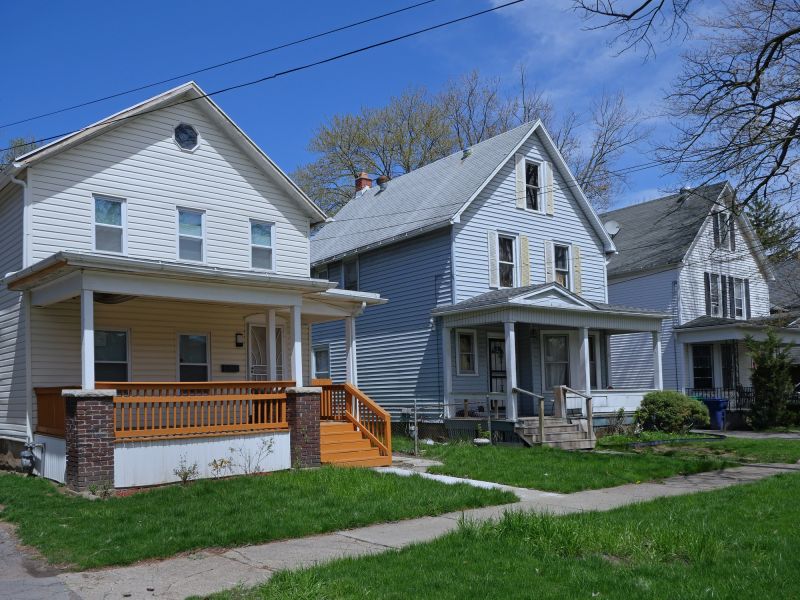
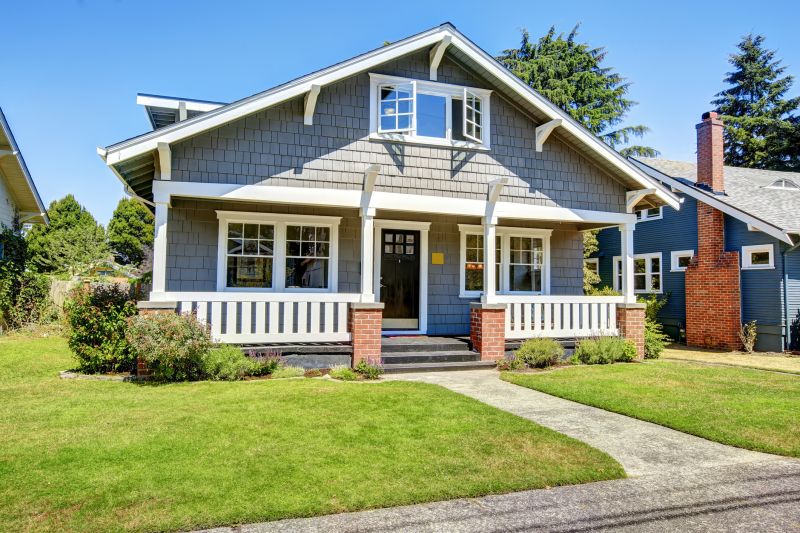
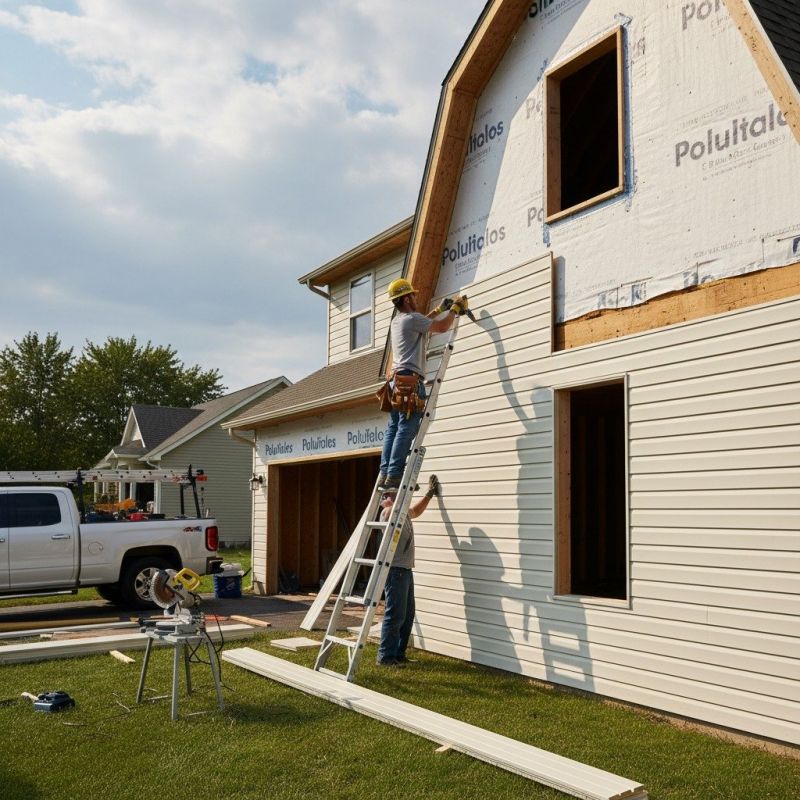
Residential siding installation services involve attaching new exterior cladding to a home’s walls to improve its appearance and protect it from the elements. This process typically includes removing old or damaged siding, preparing the surface, and carefully installing the chosen material to ensure a secure fit. Skilled service providers focus on precise workmanship to achieve a smooth, even finish that enhances the overall look of a property. Proper siding installation not only boosts curb appeal but also helps to insulate the home, potentially reducing energy costs over time.
These services are particularly valuable for addressing common problems such as rotting wood, warping, cracking, or fading siding that no longer provides adequate protection or aesthetic appeal. When siding becomes damaged or outdated, it can lead to increased energy bills, water leaks, and pest intrusion. Installing new siding can resolve these issues by creating a weather-resistant barrier that shields the home from moisture and pests. Additionally, replacing worn or damaged siding can prevent further deterioration, saving homeowners from more extensive repairs down the line.
Properties that typically benefit from siding installation include single-family homes, townhouses, and multi-family residences. Homes with aging or deteriorating exteriors often require siding upgrades to improve durability and appearance. New construction projects also frequently incorporate siding installation to establish a clean, finished look from the outset. Service providers can work with a variety of property sizes and styles, offering options that match the architectural character and personal preferences of homeowners.
Homeowners might consider siding installation services when their current exterior shows signs of wear, such as peeling paint, mold, or insect damage. It’s also a practical solution for those looking to update the style of their home or increase its energy efficiency. Whether replacing old siding or installing it on a new build, local contractors can help select the right materials and ensure the installation process is handled with care. Contacting experienced service providers can provide the expertise needed to enhance the protection and curb appeal of a residence effectively.
The overview below groups typical Residential Siding Installation projects into broad ranges so you can see how smaller, mid-sized, and larger jobs often compare in your area.
In many markets, a large share of routine jobs stays in the lower and middle ranges, while only a smaller percentage of projects moves into the highest bands when the work is more complex or site conditions are harder than average.
Smaller Repairs - Minor siding repairs or replacements typically cost between $250 and $600 for many smaller jobs. These projects often involve patching or replacing damaged sections and are usually on the lower end of the cost spectrum. Local contractors can handle these routine repairs efficiently within this range.
Mid-Range Projects - Replacing or installing siding on a standard-sized home generally falls between $3,000 and $7,000. Many projects land in this middle range, covering materials and labor for a complete siding upgrade or replacement. Larger, more complex projects may push beyond this range but are less common.
Full Home Siding Replacement - Complete siding overhauls for larger or multi-story homes often cost between $10,000 and $20,000. These projects involve extensive work and higher material costs, with most local service providers offering services within this range for typical residential properties.
High-End or Custom Installations - Premium siding materials or custom designs can increase costs to $25,000 or more for larger or intricate projects. While fewer projects fall into this highest tier, local contractors experienced in luxury or specialty siding can accommodate these custom needs at the upper end of the cost spectrum.
Actual totals will depend on details like access to the work area, the scope of the project, and the materials selected, so use these as general starting points rather than exact figures.
Exterior Wall Cladding - Local contractors experienced in siding installation often handle exterior wall cladding projects using similar tools and planning processes.
Home Facade Renovations - Renovation specialists may also perform facade updates that require siding removal, surface prep, and new material installation.
Deck and Porch Enclosures - Building enclosures for decks and porches involves skills in framing and exterior finishing comparable to siding installation.
Window and Door Wrapping - Installing window and door trims or wraps involves precise surface preparation and finishing techniques related to siding work.
Exterior Insulation and Finish Systems (EIFS) - EIFS projects share planning and application methods with siding installation, requiring similar surface prep and finishing skills.
Cladding Replacement Projects - Replacing damaged or outdated exterior cladding involves removal and installation techniques akin to residential siding services.
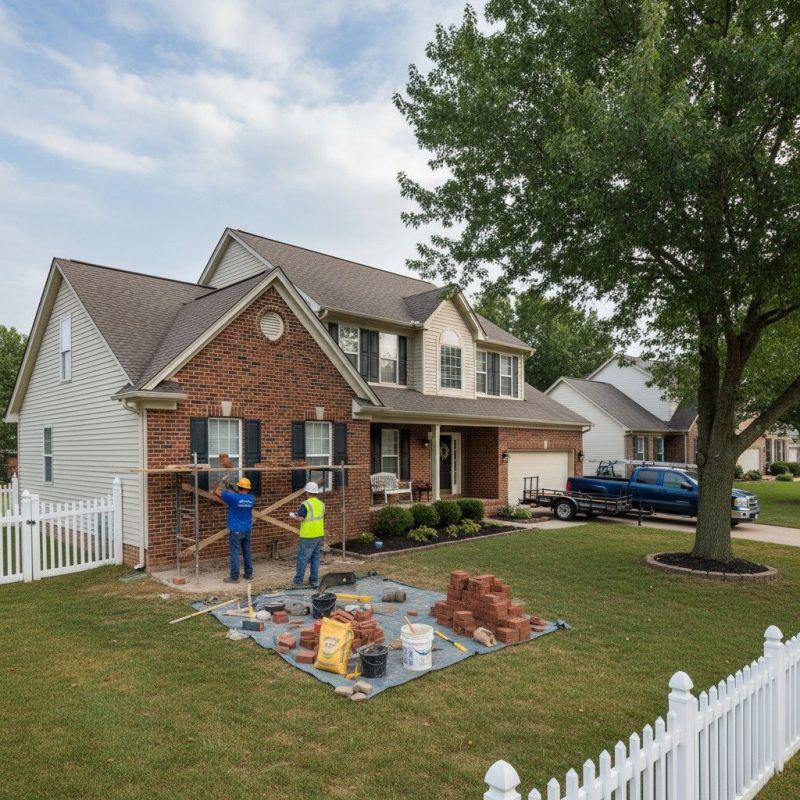
When comparing service providers for residential siding installation, it is important to consider their experience with similar projects. Homeowners should inquire about the types of siding projects the contractors have completed and whether they have worked on homes comparable in size and style. An experienced contractor will be familiar with the specific challenges and best practices for different siding materials, helping to ensure a successful installation that meets expectations.
Clear written expectations are essential when selecting a local contractor. Homeowners should seek detailed proposals that outline the scope of work, materials to be used, and any relevant project milestones. Having these details in writing helps prevent misunderstandings and provides a reference point throughout the project. It’s also wise to ask for reputable references or reviews from previous clients to gain insight into the contractor’s reliability and quality of work.
Effective communication is a key factor in a smooth siding installation process. Homeowners should look for service providers who are responsive, transparent, and willing to answer questions thoroughly. Good communication ensures that expectations are aligned from the outset and that any concerns can be addressed promptly. While the site introduces homeowners to local options for siding installation, it is important to remember that the actual work is performed by independent contractors who can handle the project professionally based on the homeowner’s preferences and the contractor’s expertise.
Property owners use Residential Siding Installation services for practical projects around their homes and businesses. This guide focuses on everyday jobs and straightforward project options.
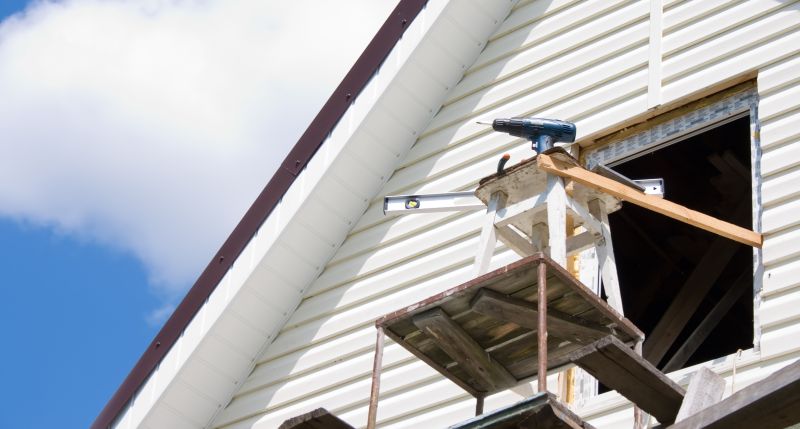
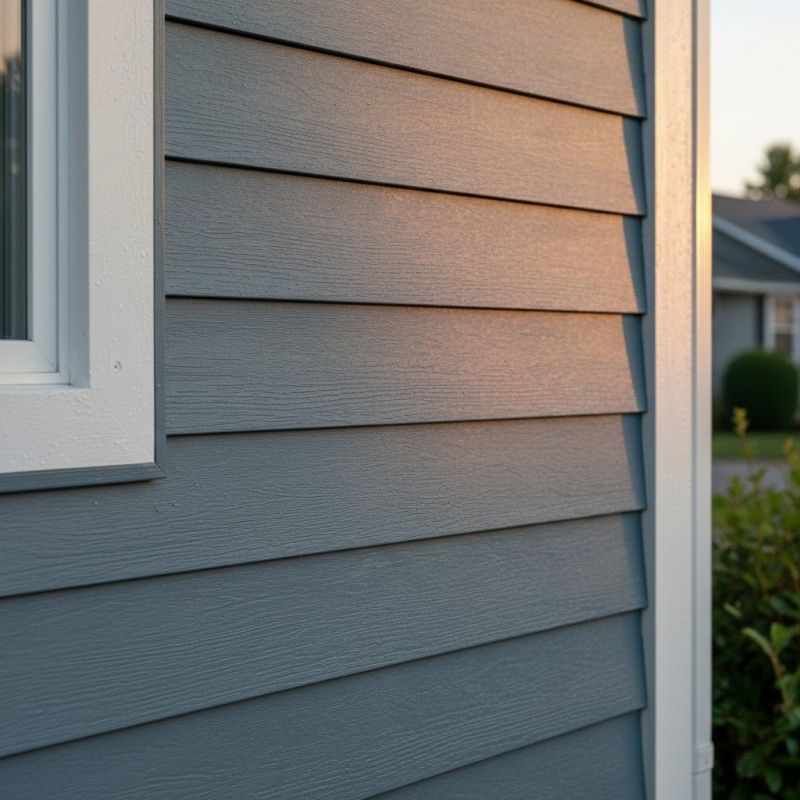
Residential siding installation is a common project for property owners who notice worn, damaged, or outdated exteriors on their homes. Whether siding has become faded over time, or there are signs of cracking and warping, local contractors can help refresh the appearance and improve the durability of a home’s exterior. Additionally, homeowners may seek siding upgrades to enhance energy efficiency or to better protect against weather elements, especially in areas prone to storms or temperature fluctuations.
Property owners might also consider siding replacement when preparing a home for sale or simply looking to boost curb appeal. Sometimes, siding needs to be replaced after storm damage or pest issues, or when older materials no longer meet the homeowner’s aesthetic preferences. Local service providers are available to handle these projects, offering options that suit different styles and budgets to help homeowners maintain or improve their property’s exterior.
What types of siding do local contractors install for homes? Local service providers typically install a variety of siding options including vinyl, fiber cement, wood, and aluminum to match different home styles and preferences.
How do local contractors prepare a home for siding installation? They usually inspect the existing exterior, remove old siding if necessary, and ensure the underlying structure is ready for the new siding to be properly attached.
What steps are involved in residential siding installation? The process generally includes measuring and planning, removing old siding, repairing any damages, and then installing the new siding according to manufacturer guidelines.
Can local contractors help improve the energy efficiency of a home with new siding? Yes, many siding options include insulation features or can be combined with additional insulation to enhance energy efficiency.
What should homeowners consider when choosing siding materials? Factors such as durability, maintenance requirements, appearance, and compatibility with the home's architecture are important considerations for selecting siding materials.
Upgrade Your Home’s Exterior - Residential siding installation can enhance the appearance of a property, making it more attractive for everyday living or future resale.
Improve Energy Efficiency - New siding can help property owners better insulate their homes, reducing heating and cooling costs during seasonal changes.
Protect Against Weather Elements - Service providers can help reinforce a home’s exterior to withstand harsh weather conditions, preventing damage over time.
Refresh Curb Appeal - Replacing or updating siding offers a simple way to give a home a fresh, modern look that complements its surroundings.
If you are thinking about Residential Siding Installation for a property, this guide is meant to help you understand the work, the typical project types, and how different options might fit your plans.
When you are ready, you can use the quote form on this page to share a few details about your project. From there, local pros can review the basics and respond with options that match what you have in mind.